



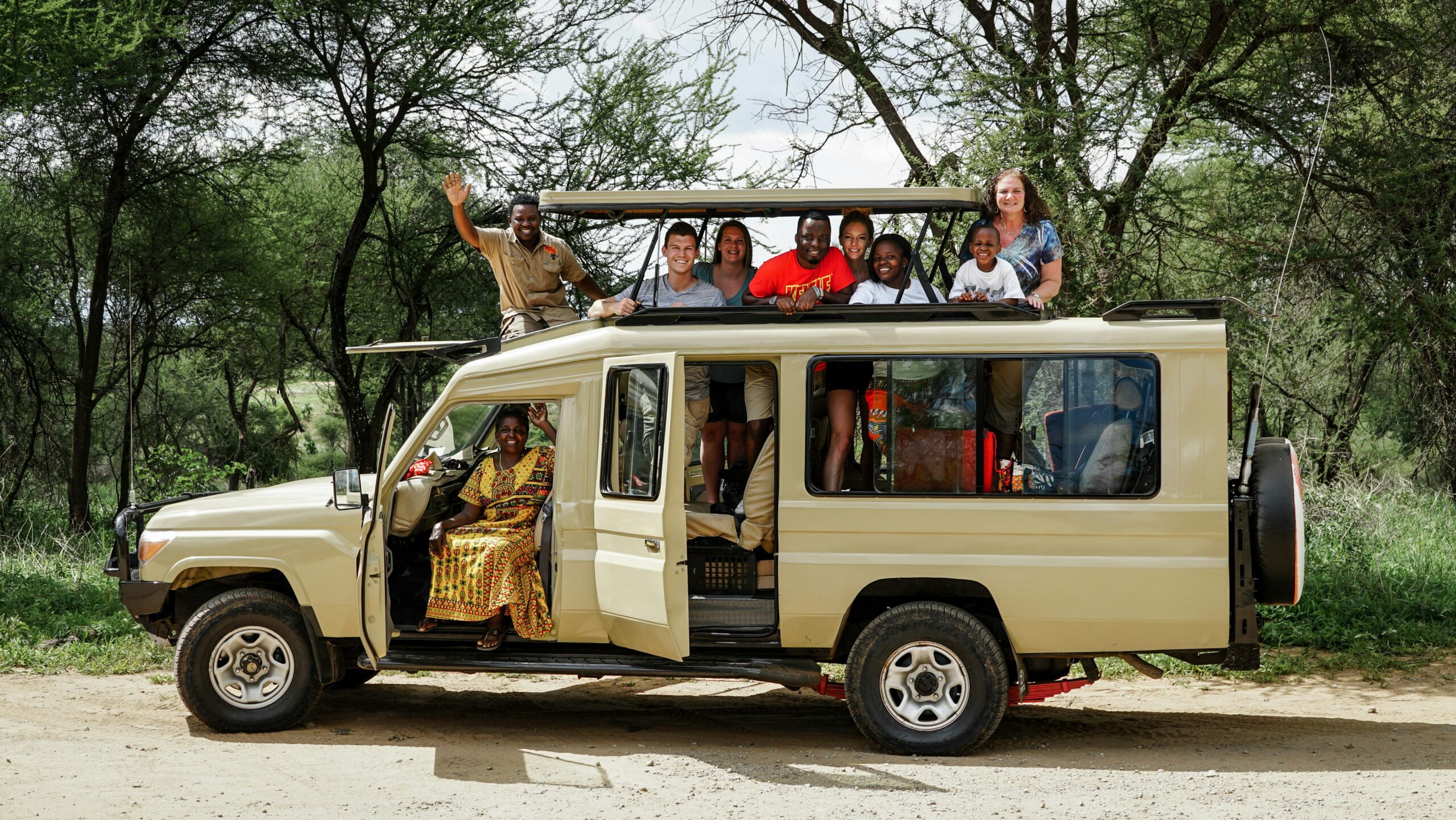
A safari should feel exciting, not stressful. The best safari health and safety tips are simple: check the health advice early, understand what your insurance covers, choose reliable transport and accommodation, and keep room in your safari budget for the costs people often forget. These steps matter whether you are planning Kenya’s Maasai Mara, Tanzania’s Serengeti, South Africa’s Kruger National Park, or a multi-country trip.
The short answer is that safety should be part of the itinerary from day one. A cheap booking is not really cheap if it leaves out park fees, transfers, medical evacuation coverage, or a dependable vehicle. We can still save money, but we should cut unnecessary upgrades before cutting the basics that protect the trip.
What safety costs should be added to an African safari budget?
Travellers usually budget for flights, hotels, and game drives first. The smaller planning costs can arrive later and create an unpleasant surprise, especially when several people are travelling. The ranges below are planning examples in US dollars, not fixed quotes, because health needs, citizenship, trip length, and insurance coverage can change the final amount.
| Budget item | Planning range | What to check |
|---|---|---|
| Travel health visit, vaccines, or medication | Get a personal quote | Book about six weeks early and ask what your exact route requires. |
| Travel insurance | Often 4% to 10% of insured trip cost | Check medical evacuation, trip interruption, and pre-existing condition rules. |
| Local medical evacuation cover (for example, AMREF Flying Doctors) | About US$35 to US$100, depending on the countries covered | Check the covered region, trip dates, evacuation destination, and post-evacuation benefits. Use it alongside full travel insurance. |
| Visa or electronic travel authorization | $30 to $100+ per country | Use the official government website and check transit rules. |
| First-aid, sun, and insect supplies | $50 to $150 | Pack enough for remote areas, where brands and prices may be limited. |
| Emergency buffer | 10% to 15% of the trip budget | Keep it available for delays, extra transfers, or an unplanned hotel night. |
For example, a couple spending $8,000 on a safari could set aside another $800 to $1,200 as a general buffer. That does not mean they will spend it, but it prevents one delayed flight or urgent transfer from becoming a financial problem. We should also ask for an itemized quote so we can see which park fees, meals, local flights, and airport transfers are already included.
Should you plan independently or use a safari expert?
Independent planning gives experienced travellers more control over the route and daily pace. It can work well in places with strong self-drive infrastructure, but the traveller has to verify accommodation, road conditions, park rules, fuel stops, permits, and emergency contacts. Saving on a planning fee can quickly disappear if a missed connection requires a new flight or an extra night.
A reputable safari specialist can coordinate those moving parts and provide local support if something changes. This is especially useful for a first safari, a remote camp, a private conservancy, or a route with several border crossings. Waterviews explains its local-planning approach on the Why Waterviews page, which is a useful starting point when deciding how much support you want. 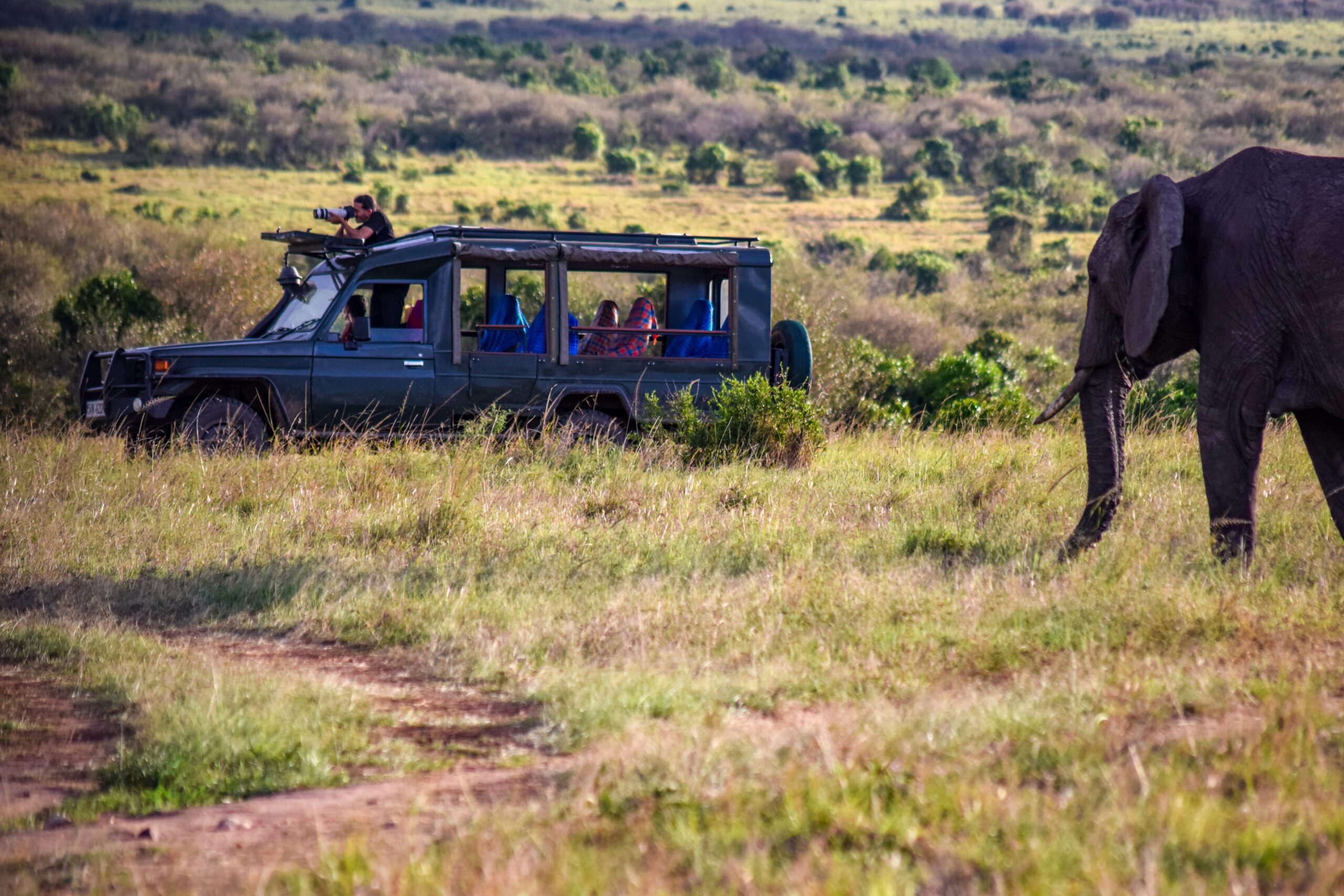
How should you compare safari accommodation safely?
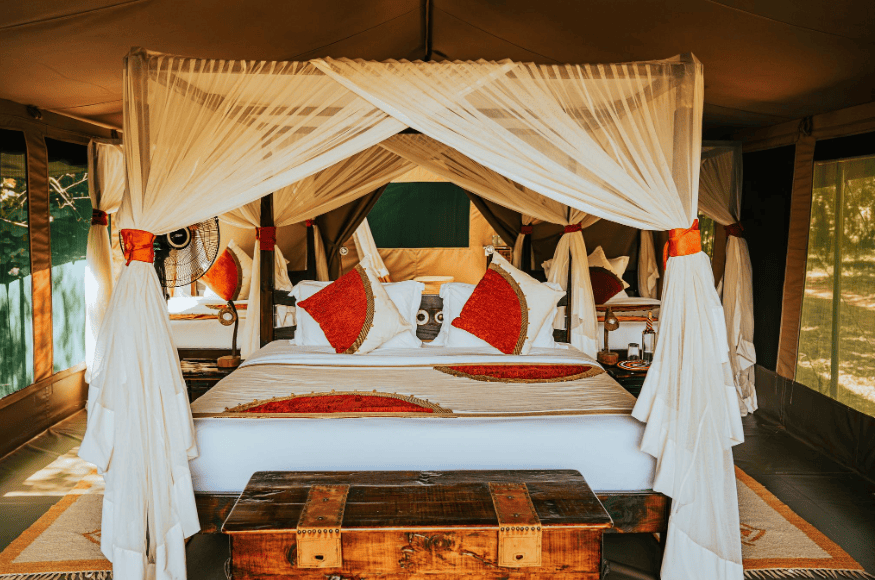
Safari accommodation is not only a choice between basic and luxury. Location affects transfer time, access to wildlife, meal options, and how quickly help can arrive. A cheaper camp far outside a reserve may add hours of driving each day, while a higher nightly rate inside or near the park may include game drives, meals, and transfers.
When does a safari lodge make sense?
A lodge is usually the easiest option for travellers who want a private bathroom, reliable meals, charging points, and organized activities. Before booking, we should confirm whether the rate is per room or per person and whether drinks, laundry, park fees, and game drives cost extra. A full-board lodge can look expensive at first but may be better value than a room-only price with several add-ons.
When does a tented or mobile camp make sense?
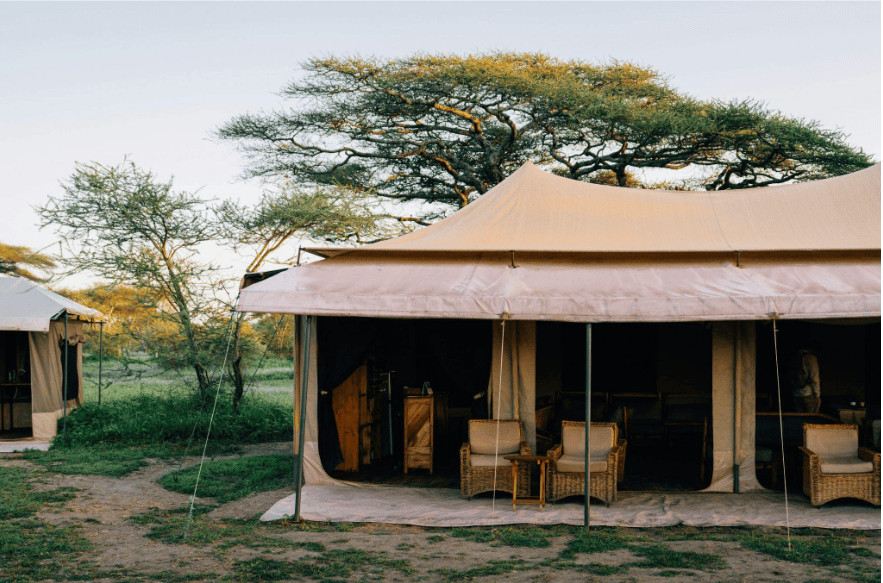
A permanent tented camp can still have proper beds, private bathrooms, and strong safety procedures while keeping guests close to the landscape. Mobile camps may move with seasonal wildlife patterns, which can improve sightings but also make transfers more complicated. Travellers should ask about electricity, charging, hot water, night escorts, food allergies, and the closest medical support.
What should you check before choosing safari transport?
The vehicle is one of the biggest parts of the safari experience because travellers may spend several hours in it each day. A proper four-wheel-drive vehicle with a pop-up roof or open sides usually offers better visibility on rough roads, while a minivan may cost less on routes with smoother access. The cheapest option is not a deal if the vehicle is overcrowded, poorly maintained, or unable to reach the planned area.
Ask how many guests share the vehicle, whether everyone gets a window seat, and whether the price includes fuel, ranger fees, and recovery support. Private vehicles cost more, but they can be worth it for families, photographers, travellers with mobility needs, or anyone who wants control over stops. The Best of Kenya nine-day safari shows how several parks, road transfers, and optional activities can fit into one organized route.
Which health steps should be completed before departure?
The Government of Canada recommends visiting a travel health clinic or health care provider about six weeks before travelling. The advice should be based on the exact countries, regions, season, activities, health history, and length of stay. Yellow fever rules and malaria recommendations are not identical across Africa, so a general checklist from social media is not enough.
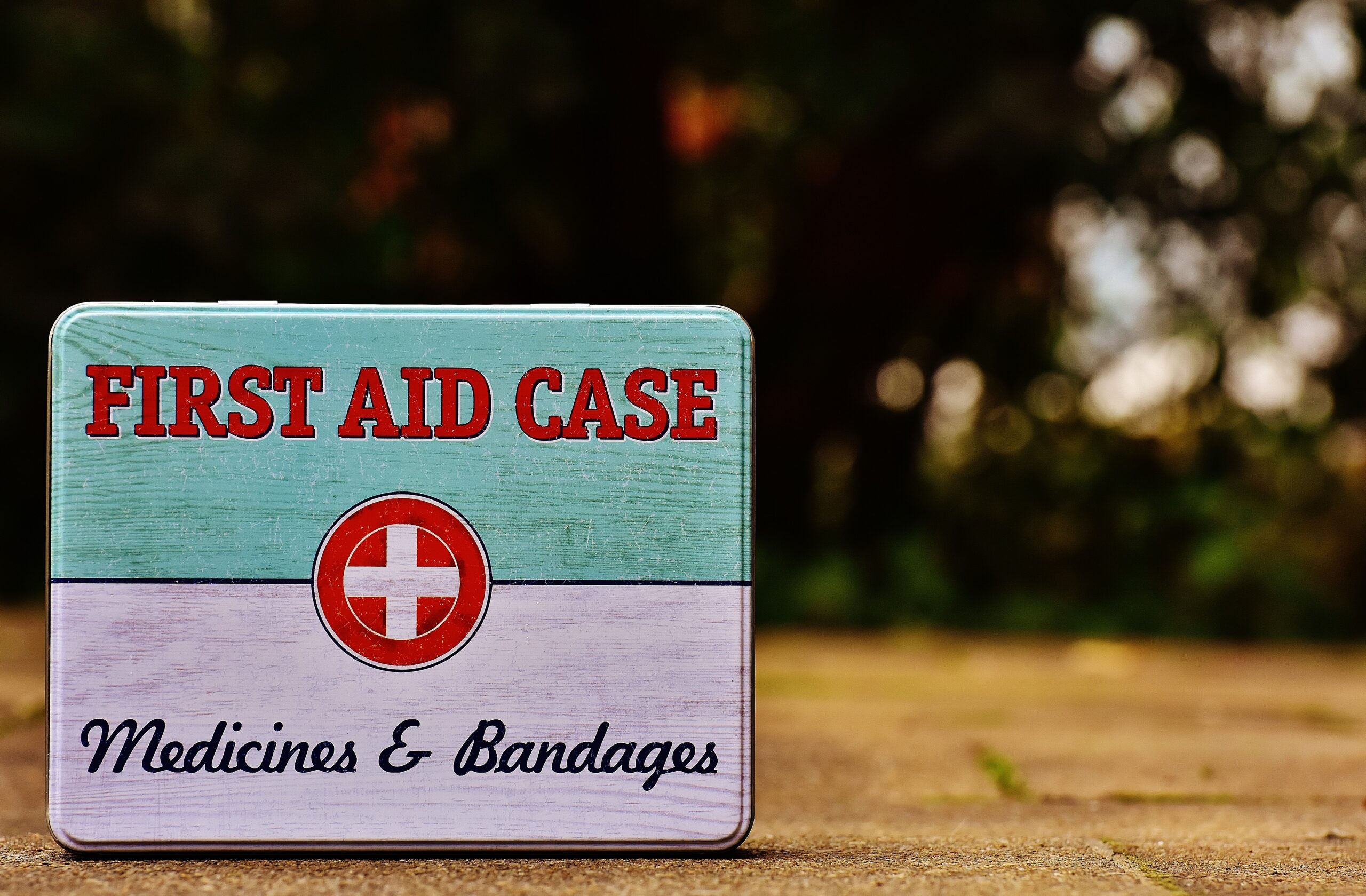
Travellers should bring a record of regular medications and enough supply for the whole trip, plus extra for delays when possible. Medication should stay in its original labelled packaging and usually belongs in carry-on luggage. If refrigeration or sharps disposal is needed, the lodge and airline should be asked before payment is finalized.
What should safari travel insurance actually cover?
A basic credit-card policy may not be enough for a remote safari. The Government of Canada says travel health insurance should cover medical evacuation, pre-existing conditions, and repatriation. Travellers should also check the deductible, maximum coverage amount, excluded activities, and whether they must call the insurer before receiving non-emergency treatment.
Remote evacuation is the detail we should not skip. A policy may pay for a local clinic but exclude an air transfer from a distant reserve, or it may only cover transport to the nearest suitable facility rather than directly home. Keep the policy number, emergency phone number, and operator contact both on the phone and on paper.
Which travel documents and entry rules should you verify?
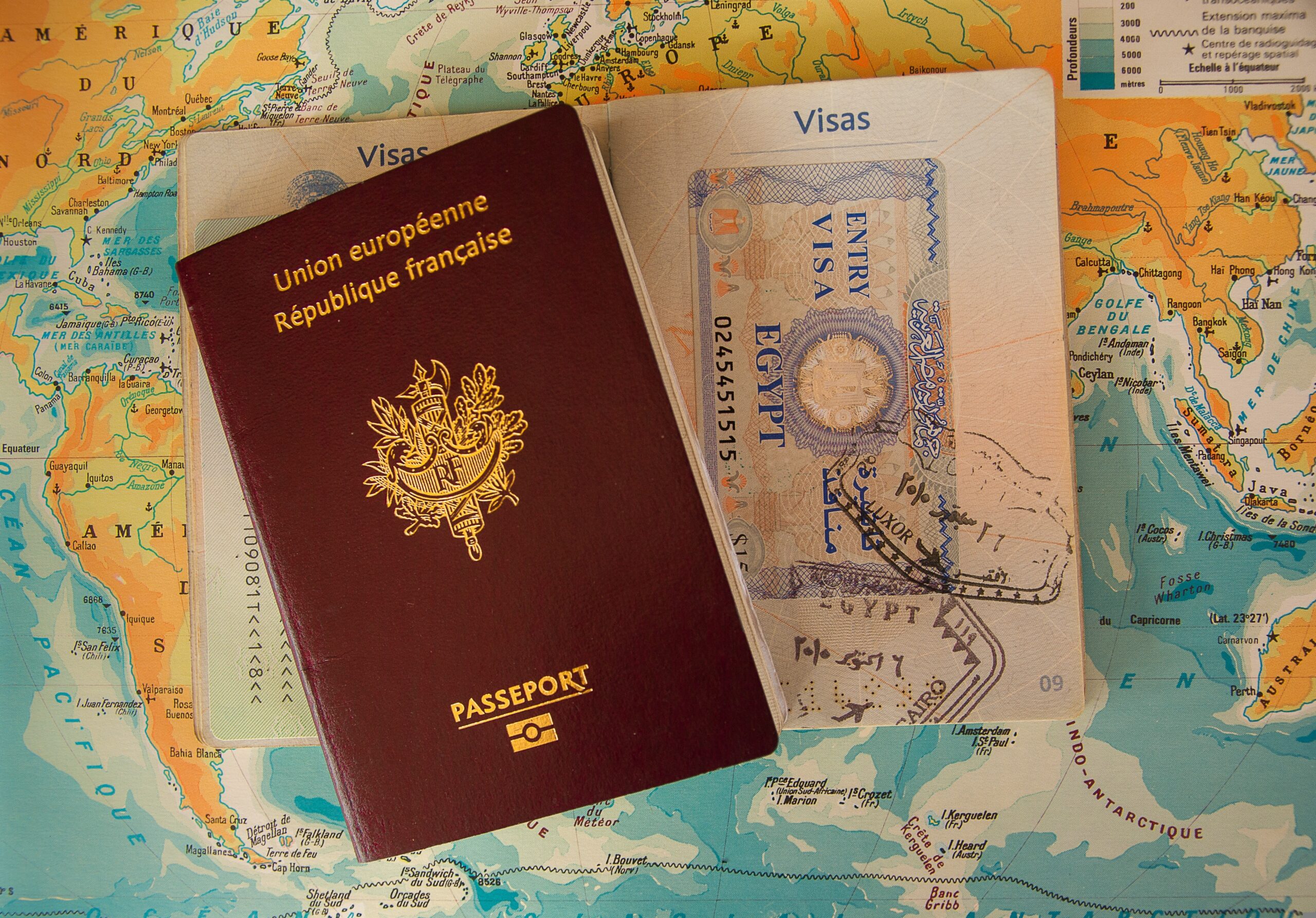
Passport validity, blank-page rules, visas, electronic authorizations, and yellow fever certificates can change. Check the official government page for every country on the route, including transit countries, instead of relying on an old blog post. Names on tickets, permits, and insurance should match the passport exactly.
Save digital copies of the passport, insurance policy, itinerary, prescriptions, and emergency contacts in a secure location. Carry a separate paper copy in case a phone is lost or has no signal. A document folder is boring until it saves an hour at a border or clinic.
What belongs on a practical safari packing list?
A useful safari packing list focuses on layers, sun protection, insects, dust, and limited luggage space. Pack neutral-coloured shirts and trousers, a warm layer for early drives, a light rain jacket, broken-in shoes, a hat, sunglasses, sunscreen, insect repellent, and a reusable water bottle. Soft-sided luggage is often easier for small aircraft, but the airline’s weight and size rules should be checked first.
A small day bag can hold medication, a basic first-aid kit, binoculars, a power bank, an adapter, tissues, and lip balm. Strong fragrances and unnecessary valuables can stay home. Buying a few reliable essentials before departure is usually cheaper than replacing them at a remote lodge.
How do seasons affect safety, comfort, and price?
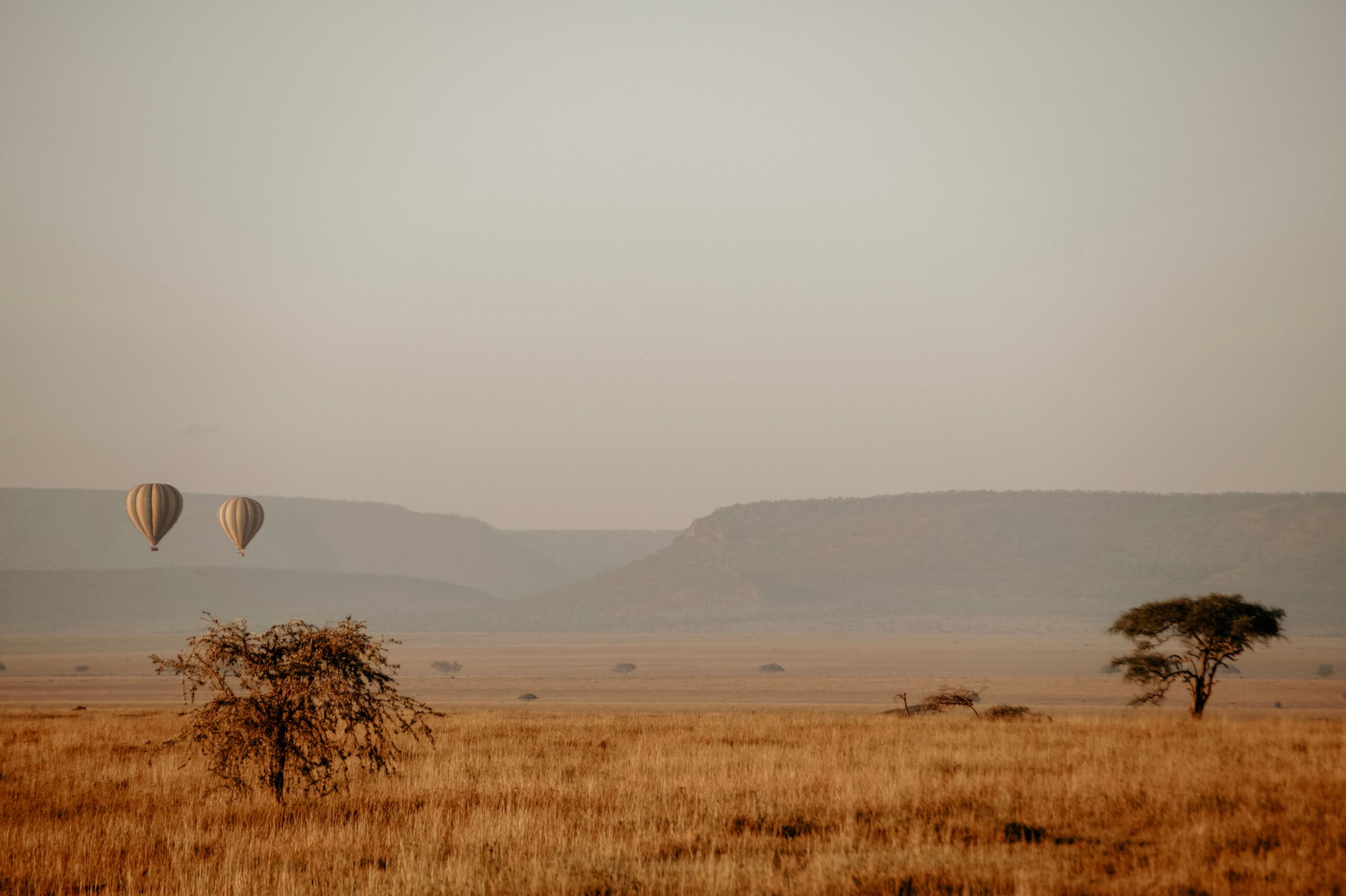
Dry months often make wildlife easier to see because vegetation is thinner and animals gather near water. They can also bring higher prices, more vehicles, dusty roads, and cold mornings. Wet or green seasons may offer lower rates, fewer visitors, dramatic landscapes, and strong birding, but some roads and camps can be affected by rain.
There is no single dry season for the whole continent, so dates should match the destination. A Kenya or Tanzania trip can also be paired with a coastal break, which means beach weather matters too. The Kenya bush-to-beach itinerary is a good example of planning wildlife and water experiences together rather than treating them as separate vacations.
How can you save money without cutting safety?
First, travel in a shoulder or green season if road access and the activities you want are still available. Second, compare shared and private vehicle prices, because a small group can sometimes make a private vehicle reasonable. Third, choose fewer parks and stay a little longer in each one instead of paying for constant transfers.
We can also combine arrival-night accommodation, airport pickup, and the first safari transfer in one plan. Ask for two versions of the itinerary, such as comfortable and upgraded, with the same route and safety standards. That makes it easier to see whether the extra money is paying for a better location and experience or only a more expensive room.
How can Waterviews help plan a safer safari?
Waterviews can build the route around the traveller’s pace, budget, health needs, and preferred level of support. We can compare vetted lodging, arrange guided transfers, and add water-based or beach experiences without creating unnecessary backtracking. For a more relaxed East Africa option, the Tanzania wellness, wildlife, and beach safari combines game viewing with time to recover and slow down.
To start planning, contact Waterviews Travel at se*****@**************el.com, call 1-800-735-9790, or use the Waterviews contact form. Prices, entry rules, health guidance, and availability should always be reconfirmed before booking.
What are the most frequently asked questions about safari health and safety?
Is an African safari safe for a first-time traveller?
A well-planned safari with a reputable operator, trained guide, suitable accommodation, and clear emergency support is manageable for many first-time travellers. The exact risk depends on the destination and itinerary, so current government travel advice still matters.
How early should I book a travel health appointment?
The Government of Canada recommends speaking with a travel health professional about six weeks before departure. A later appointment can still be useful, so do not skip it only because the trip is close.
Do I need medical evacuation coverage for a safari?
It is strongly worth checking because safari camps can be far from major hospitals. Confirm the geographic limits, activity exclusions, approval process, and who pays first if an evacuation is needed.
Is the cheapest safari package usually the best value?
Not always. Compare what is included, the vehicle capacity, lodge location, park fees, meals, transfers, and emergency support before deciding.
Sources checked: Government of Canada vaccine and medication guidance; Government of Canada travel insurance guidance; World Health Organization travel vaccine guidance.; AMREF Flying Doctors Maisha Tourist Plus coverage and 2026 regional pricing.Government of Canada vaccine and medication guidanceGovernment of Canada travel insurance guidanceWorld Health Organization travel vaccine guidance
Note: The weather patterns are constantly changing due to climate change. It’s important to consult your agent or others that might be familiar with your destination before you make your booking.
Ready for your exhilarating adventure? email us at se*****@**************el.com or call us at 1-800-735-9790For more information visit our website Waterviews Travel
Photo Credits: Pixabay Photos. E&Os excluded.
Comments are closed