



When planning the ultimate bush-to-beach safari in East Africa, the choice often comes down to Kenya or Tanzania. Both countries share the iconic Serengeti–Mara ecosystem, host the world-famous Great Migration, share the Masai tribal groups and Swahili Culture, and offer stunning Indian Ocean coastlines to unwind after your safari. From the wildlife-rich plains of the Masai Mara and Serengeti National Park to the white-sand beaches of Mombasa and Zanzibar, each destination delivers unforgettable experiences. The real question isn’t which one is better — it’s which one best matches your travel style, budget and sense of adventure.
| Kenya | Tanzania |
| Prime destination for dramatic Great Migration river crossings in the Masai Mara, where wildlife is concentrated in a smaller reserve.
Kenya’s UNESCO World Rift Valley Lakes of Elementaita, Nakuru, Naivasha and Baringo are breeding grounds and home to the lesser flamingo. |
Home to the vast Serengeti National Park, offering expansive landscapes and a longer Great Migration viewing window.
Tanzania’s Lake Natron is the only one known for hosting flamingos. |
| Higher wildlife density in smaller reserves, making it easier to see large numbers of animals in a short time. | A larger and more spread-out park, which creates fewer crowds and a more remote wilderness feel. |
| Amboseli National Park offers iconic elephant herds with views of Mount Kilimanjaro. | Home to the breathtaking Ngorongoro Crater, a wildlife-rich volcanic caldera and UNESCO site. |
| Stronger tourism infrastructure with shorter driving distances between parks. | Parks are larger and farther apart, often requiring longer drives or domestic flights. |
| Well-connected international airports, including Jomo Kenyatta International Airport (Nairobi) and Moi International Airport (Mombasa). | The main international gateway is Kilimanjaro International Airport, with additional domestic flights needed for the remote parks. |
| Generally, a well-developed safari infrastructure is more affordable due to competitive lodges, lower park fees, and easier logistics. | Higher park fees and transport costs, especially in the Serengeti and Ngorongoro regions. |
| Ideal for shorter safaris or first-time visitors wanting maximum wildlife sightings in fewer days. | Ideal for longer, immersive safaris focused on scale, solitude, and dramatic scenery. |
| Easy bush-to-beach combinations via Nairobi or Mombasa. Coastal towns like Watamu, Malindi, and Lamu are well-connected. | Bush-to-beach connections typically end in Zanzibar, known for its white-sand beaches, spice markets, and Stone Town’s Swahili heritage. |
| Beaches offer a mix of luxury and affordable stays with strong flight connectivity. | Zanzibar provides a quieter, more exotic and private beach experience, popular for honeymooners. |
| Parks can be busier during peak migration season due to popularity and accessibility. | Fewer vehicles in very large areas, offering a more remote and, at times, depending on the location, a nearly exclusive safari experience. |
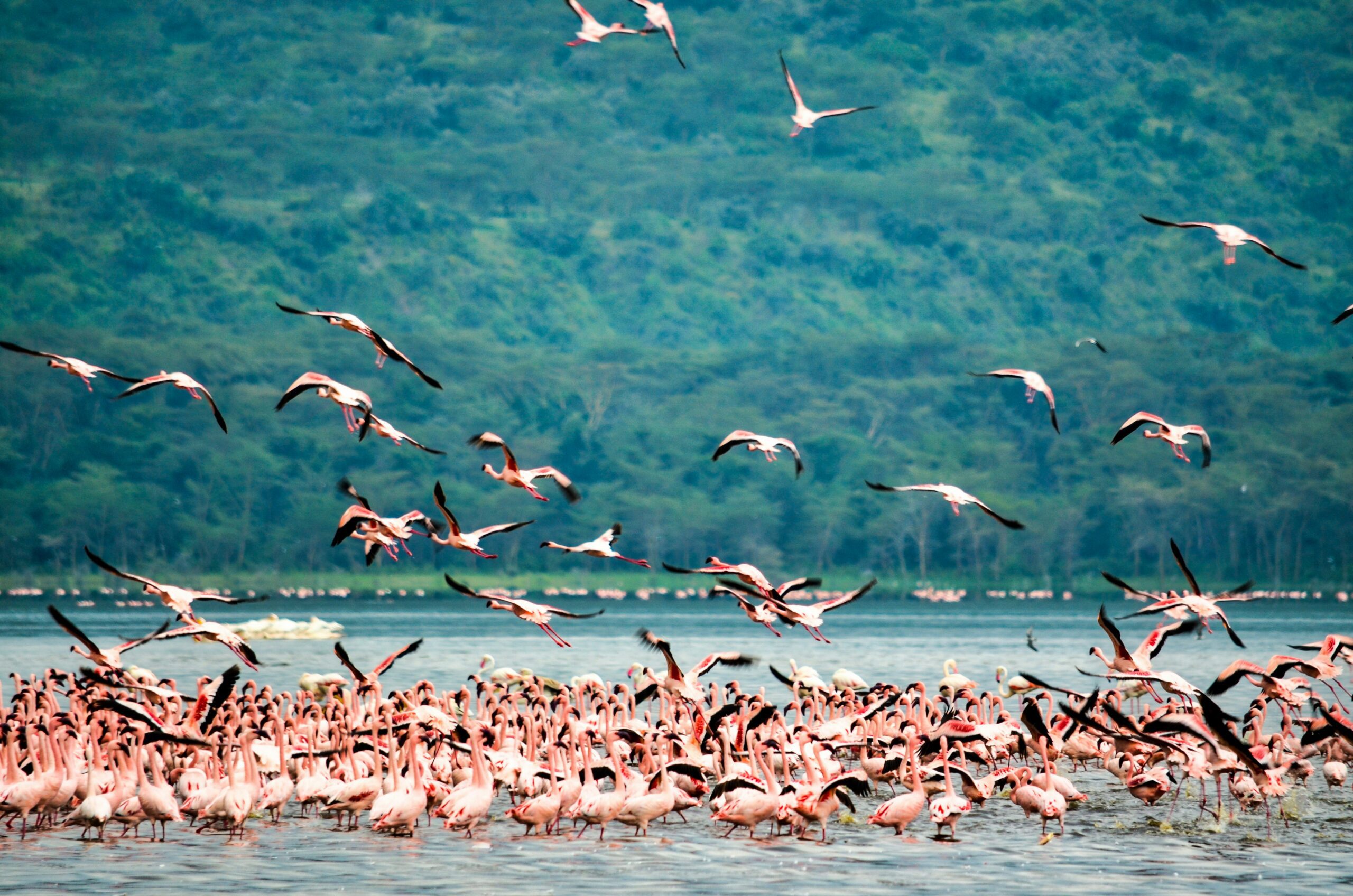 Rift Valley Lakes of Elementaita, Nakuru, Naivasha and Baringo
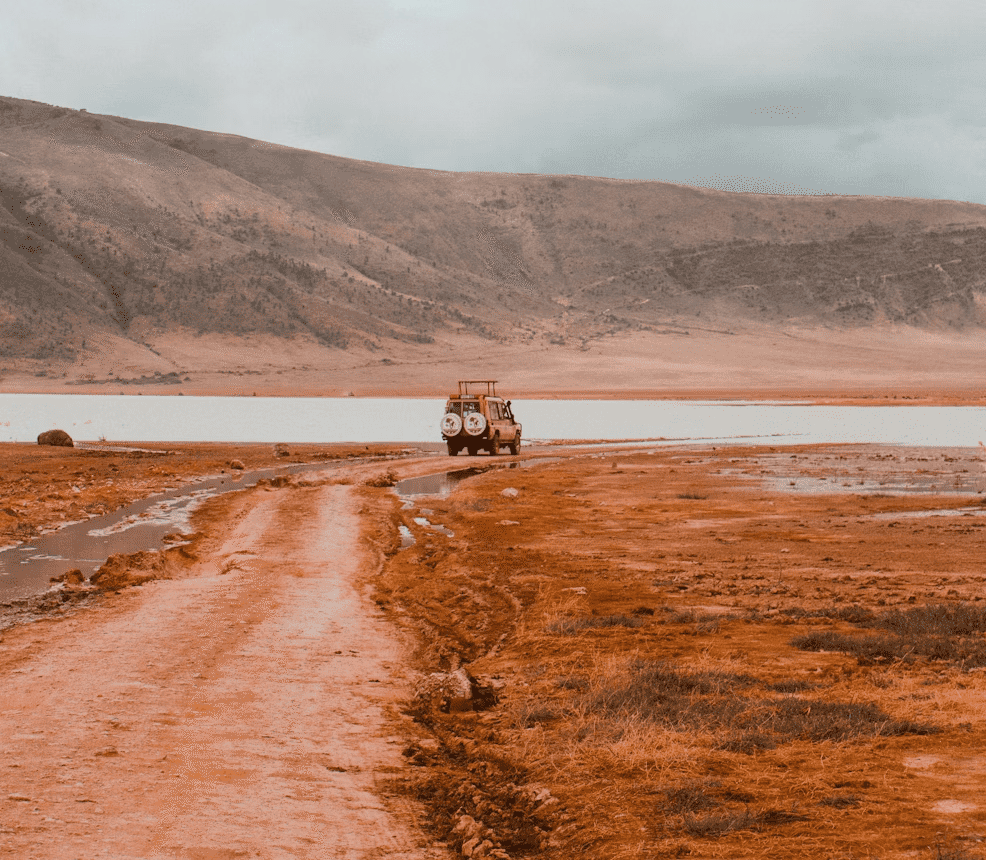
Ngorongoro Crater
Ready to take flight? At Waterviews Travel, we specialize in self-guided tours that let you experience these stunning destinations at your own pace. Contact us today at se*****@**************el.com or call 1-800-735-9790 to personalize your trip and embark on a journey that’s as unique as you are.
Comments are closed