



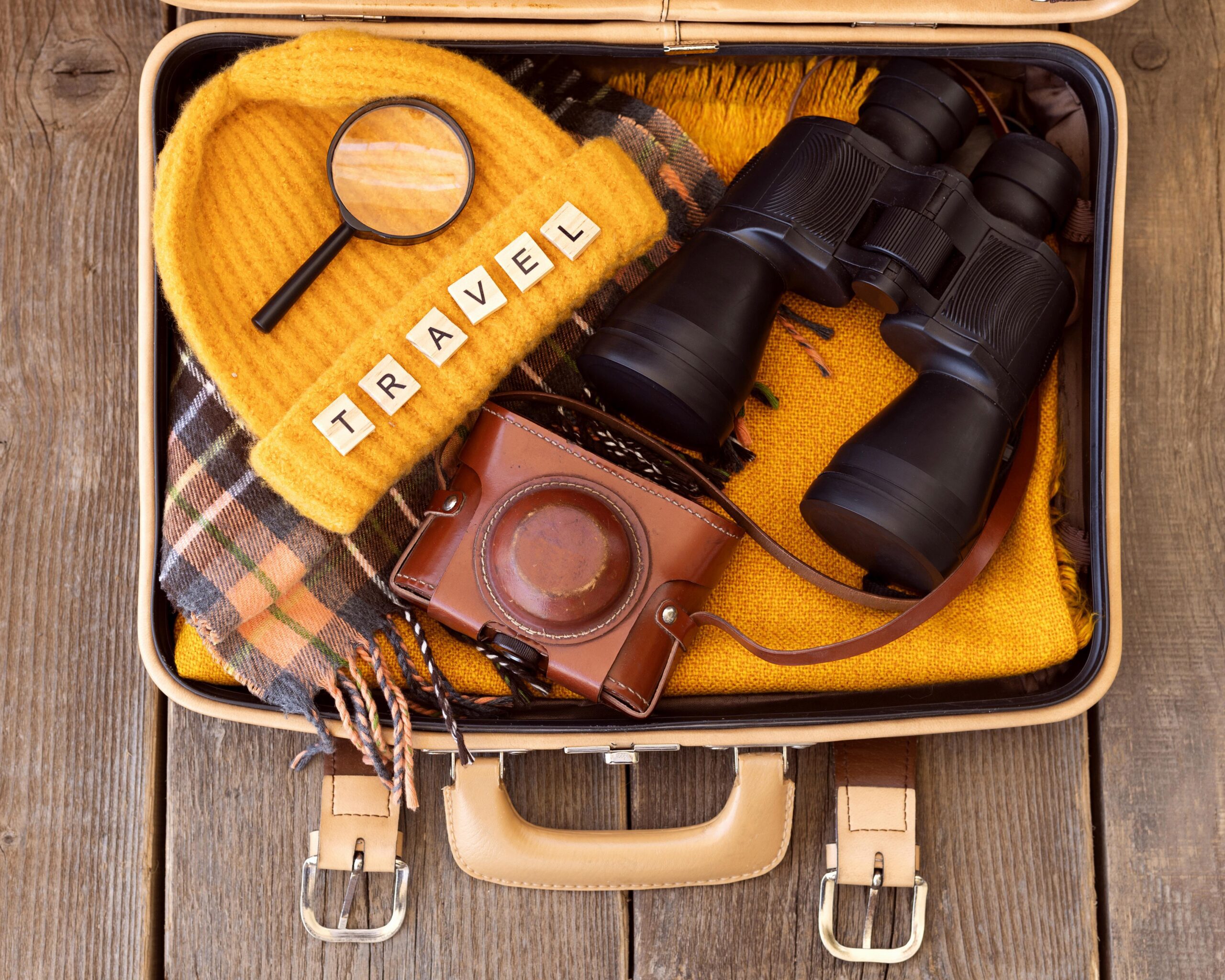
Packing for an African safari is less about buying an entirely new wardrobe and more about choosing practical items you can wear more than once.
At a minimum, pack lightweight neutral clothing, warm layers for early game drives, comfortable closed-toe shoes, sun and insect protection, binoculars, essential medication and a soft-sided travel bag. You should also check the luggage limit for every flight on your itinerary before deciding what to bring.
This complete African safari packing list covers everything first-time travellers actually need—from clothing and camera gear to health essentials and the items best left at home.
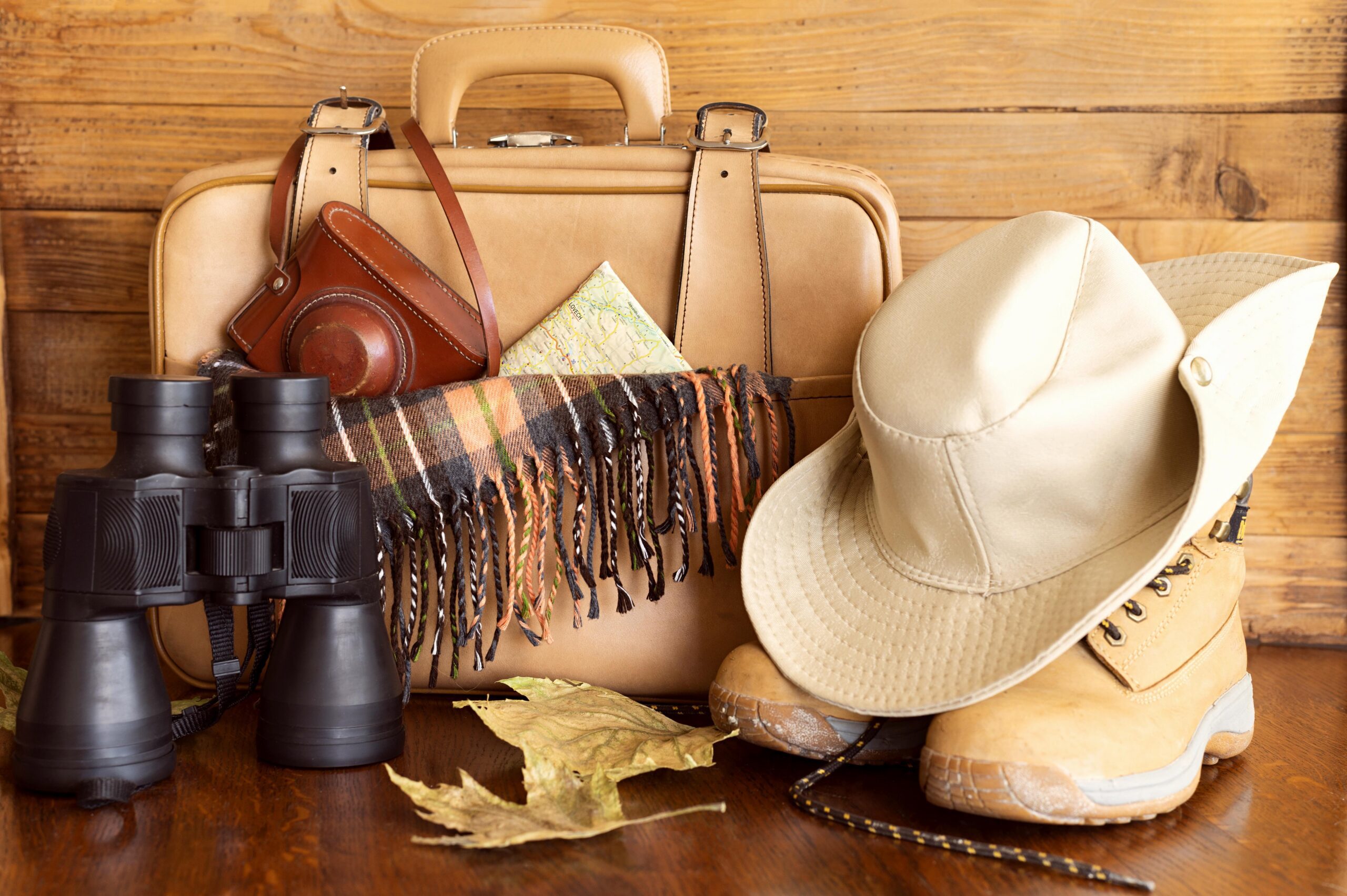
Quick African Safari Packing Checklist
Clothing
- lightweight, breathable shirts
- long-sleeved shirts
- pairs of lightweight trousers
- pair of shorts (if appropriate for your itinerary)
- fleece, sweater or packable insulated jacket
- lightweight waterproof or wind-resistant jacket
- Underwear and comfortable socks
- Sleepwear
- Swimsuit
- Wide-brimmed hat
- Scarf or buff
Footwear
- Comfortable closed-toe walking shoes
- Sandals or slip-on shoes for the lodge
- Supportive hiking shoes if your trip includes trekking
Safari gear
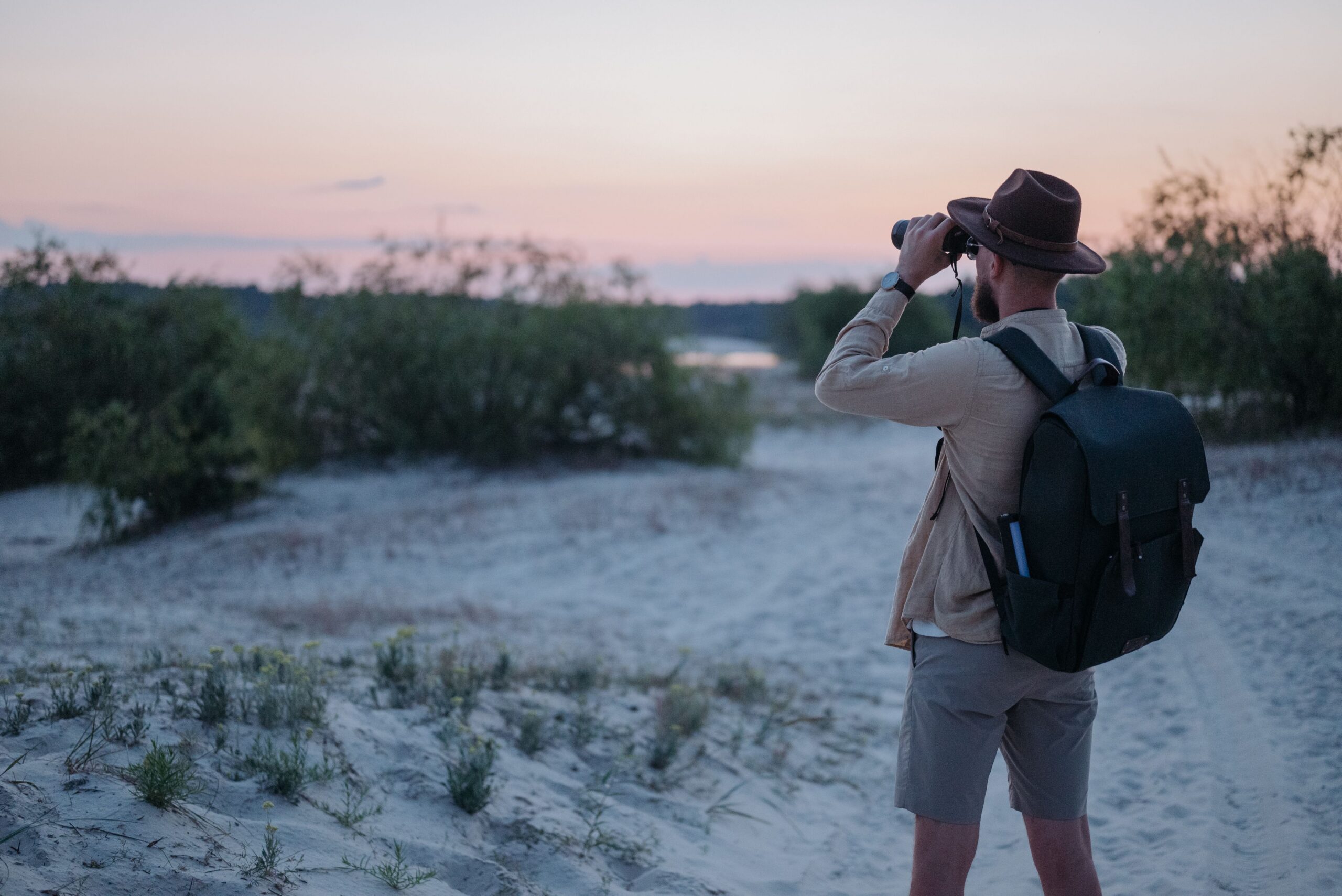
- Binoculars
- Camera or smartphone
- Small day bag
- Reusable water bottle
- Sunglasses
- Power bank
- Travel adapter
- Flashlight or headlamp
Health and personal care
- Prescription medication
- Sunscreen
- Insect repellent
- Small first-aid kit
- Hand sanitizer
- Lip balm with SPF
- Travel-sized toiletries
Important documents
- Passport and required visas
- Flight and accommodation confirmations
- Travel insurance information
- Vaccination documentation, where required
- Copies of prescriptions
- Emergency contact information
Why Packing for an African Safari Is Different
Packing for a safari is different from preparing for a standard resort holiday or city break.
You may be flying on a small aircraft with strict baggage limits, travelling far from the nearest store and spending several hours each day in an open vehicle. Temperatures can also change significantly between a chilly sunrise game drive and a hot afternoon at camp.
| Regular Holiday | African Safari |
| A large suitcase may be accepted | Soft-sided luggage may be required |
| Temperatures may remain relatively consistent | Mornings and evenings can be much cooler |
| Shops are usually nearby | Camps may be far from stores |
| Multiple outfits may be practical | Clothing should be versatile and reusable |
| Heavy packing may be manageable | Bush-flight limits require lighter packing |
What to Wear on an African Safari
The best safari clothing is comfortable, breathable and easy to layer. It should protect you from the sun and dust without taking up too much room in your luggage.
Choose practical, neutral colours
Khaki, beige, olive green, tan, light brown and muted grey are popular safari colours. They blend more naturally into outdoor environments and tend to show dust less noticeably than bright white clothing.
Neutral shades are especially useful for walking safaris, where you will be outside the vehicle.
Try to avoid:
- Neon or extremely bright colours
- Large, high-contrast patterns
- Large amounts of white, which show dust quickly
- Very dark clothing in hot conditions
- Full camouflage clothing
Camouflage regulations vary between countries, and military-style clothing can be restricted or socially inappropriate in some destinations. Check the rules for every country on your itinerary.
You do not need to replace everything you own with expensive “safari clothes.” If you already have breathable shirts and comfortable trousers in subdued colours, start there.
Dress in layers
It can be surprisingly cold when you leave camp before sunrise, particularly in an open vehicle. By midday, the weather may be hot enough for a short-sleeved shirt.
A simple three-layer system works well:
- A breathable T-shirt or base layer
- A long-sleeved shirt, sweater or fleece
- A wind-resistant or waterproof outer layer
Each layer should be easy to remove and place in your day bag as the temperature rises.
A scarf or buff is also helpful. It can cover your neck in the sun, provide warmth during an early drive or protect your face when the road becomes dusty.
Many safari lodges offer laundry service, which can reduce how much clothing you need. However, the price, turnaround time and types of garments accepted vary. Some properties may not wash underwear for cultural or operational reasons.
What should you wear in the evening?
Safari camps are generally relaxed, so formal clothing is rarely necessary. A clean shirt or simple blouse with trousers is usually sufficient for dinner.
Long trousers, socks and a long-sleeved shirt may also provide additional protection from insects during the evenings.
Best Shoes for an African Safari
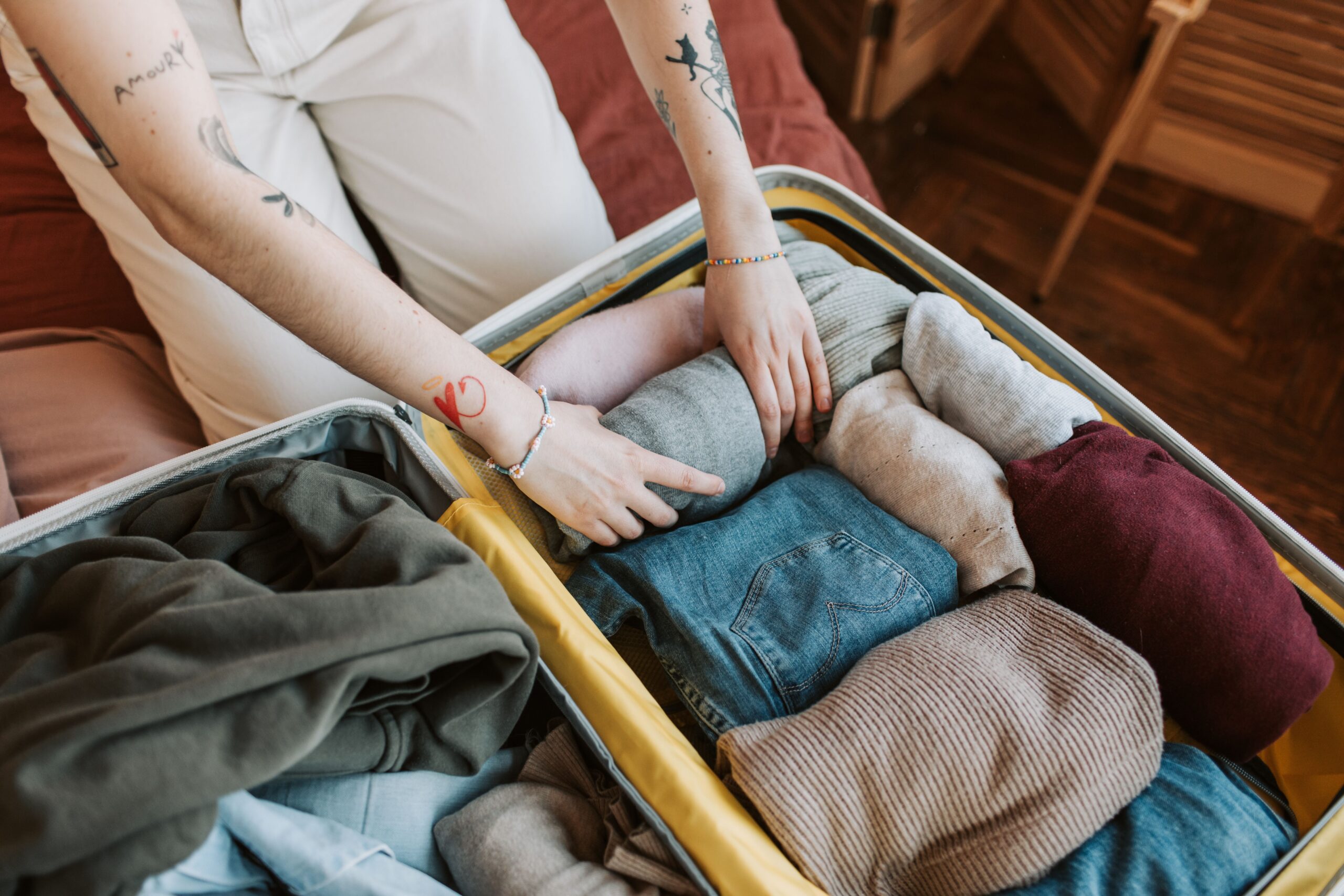
For a vehicle-based safari, comfortable closed-toe walking shoes or lightweight trainers are usually enough. Choose a pair with good grip that you have already worn several times.
You may also want:
- Sandals or slip-on shoes for relaxing at the lodge
- Moisture-wicking socks
- Lightweight hiking shoes for walking safaris
- Waterproof hiking shoes for trekking itineraries
Heavy hiking boots are not automatically necessary. They take up space, add weight and may be uncomfortable during long drives. Bring them only if your itinerary includes walking over rough terrain, gorilla trekking or another activity that requires additional ankle support.
Essential Safari Gear You Should Bring
A few carefully selected accessories can make wildlife viewing much more comfortable.
Wildlife-viewing essentials
- Binoculars: A personal pair means you will not need to wait for shared binoculars.
- Camera or smartphone: Choose equipment you already know how to use.
- Extra memory cards: Wildlife sightings can produce more photographs than expected.
- Spare batteries: Power may be limited in remote camps.
- Lens-cleaning cloth: Dust quickly collects on lenses and phone cameras.
- Sunglasses: Choose a secure, comfortable pair with UV protection.
- Wide-brimmed hat: A fitted or adjustable hat is less likely to blow away in an open vehicle.
Comfort and convenience items
- Small backpack or crossbody bag
- Reusable water bottle
- Scarf or buff
- Travel adapter
- Power bank
- Headlamp or small flashlight
- Packing cubes
- Waterproof document pouch
- Earplugs
- Luggage tags
- Pocketed Belt
Your itinerary and interests should guide the final choices. A serious photographer may accept less clothing to make room for a telephoto lens, while a traveller using a smartphone may prefer an extremely light setup.
Health Essentials
Remote camps may not have your preferred medication or personal-care products. Bring enough of every essential item for your entire trip, along with a small extra supply where appropriate.
Safari health checklist
- Vaccination records, where required
- Anti-malarial medication
- Prescription medication in its original labelled packaging
- Copies of prescriptions
- Destination-specific medication recommended by a professional
- Insect repellent containing an approved active ingredient
- Broad-spectrum sunscreen
- Lip balm with SPF
- Pain and fever medication
- Antihistamine
- Motion-sickness medication, if needed
- Anti-diarrheal medication
- Oral rehydration salts
- Adhesive bandages
- Blister pads
- Antiseptic wipes
- Hand sanitizer
- Spare glasses or contact lenses
- Travel insurance details
- Emergency contact information
- Small disposable water filter
Health Tip: Speak with a qualified travel-health professional well before departure about vaccinations, malaria prevention and destination-specific risks. The right advice depends on the countries, regions, season and activities included in your itinerary. Take a look at the Government of Canada travel-health kit checklist or the USA Travel Advisories.
Adjust Your Packing List for the Season and Safari Type
Africa is a continent, not a single climate. What you need will depend on your destination, elevation, travel dates and planned activities.
Additions based on the seasons:
| Conditions | Consider Adding |
| Cool or dry season | Warm fleece, beanie, light gloves and warm socks |
| Hot season | Extra breathable shirt and oral rehydration supplies |
| Rainy or green season | Waterproof jacket and quick-drying clothing |
| Dusty conditions | Buff, saline eye drops and extra lens cloths |
| High-altitude destination | Warmer outer layer and sun protection |
Additions based on your itinerary:
| Trip | Consider Adding |
| Walking safari |
|
| Gorilla trekking |
|
| Safari and beach trip |
|
| Photographic safari |
|
Pack Light and Prepare for Your Safari
The best African safari packing list is not the longest one. It is the one designed around your specific destination, season, activities and luggage restrictions.
Choose versatile layers, use a soft-sided bag when required and prioritize the items that will keep you comfortable: sun protection, insect repellent, suitable footwear, essential medication and reliable wildlife-viewing gear.
Waterviews can help you design a personalized African safari around the destinations, accommodations and experiences that interest you most—and make sure you know exactly what to prepare before departure.
Frequently Asked Questions
What should I not pack for a safari?
Avoid excessive clothing, heavy formal outfits, valuable jewellery, unnecessary electronics and too many shoes. Do not bring hard-shell luggage when your flight requires a soft-sided bag. Confirm local rules before packing camouflage, plastic bags or a drone.
Is it cold on morning safaris?
Morning game drives can be very cold, especially in open vehicles and during the dry season. Wear a breathable base layer, fleece and light outer jacket. You can remove each layer as the temperature rises.
What colours should I wear on safari?
Khaki, olive, beige, tan, brown and muted grey are practical choices. Neutral clothing is particularly helpful during walking safaris and tends to show dust less than white clothing. You do not need to purchase a completely new wardrobe.
Can I wear jeans on safari?
You can wear jeans, but they may feel heavy in warm weather and take longer to dry. Lightweight, breathable trousers are usually more comfortable and easier to pack.
Do I need hiking boots for a safari?
Hiking boots are generally unnecessary for a vehicle-based safari. Comfortable closed-toe walking shoes are usually sufficient. More supportive or waterproof footwear may be required for walking safaris, gorilla trekking and rugged trails.
Can I wear shorts on safari?
Shorts are usually suitable for warm days and vehicle-based game drives. However, long trousers provide greater protection from the sun, insects, dust and vegetation.
How much luggage can I take on a safari flight?
Allowances differ by airline and route. Some light-aircraft operators limit passengers to approximately 15–20 kg, potentially including hand luggage and camera equipment. Always follow the limit shown on your booking documents.
Can I bring a hard-shell suitcase?
It depends on your flights, but many safari aircraft require or prefer soft-sided bags because their luggage compartments are small and irregularly shaped. Confirm the permitted dimensions and bag type before departure.
Do safari lodges offer laundry service?
Many safari lodges and camps offer laundry service, but the price, schedule and garments accepted vary. Ask each accommodation about its policy before using laundry service as part of your packing plan.
Pack Smart for Your Safari
Ready for your African safari? At Waterviews Travel, we can help you plan a personalized safari and prepare for every step of your journey. Contact us today at se*****@**************el.com or call 1-800-735-9790 to start planning your adventure.
Comments are closed