



When most people think of an African safari, they picture lions resting beneath acacia trees, elephants crossing the plains, or giraffes wandering across the horizon.
The word “safari” comes from the Swahili word meaning “journey.” A true safari is about experiencing everything a destination has to offer – not only its wildlife, but also its people, traditions, food, music, and way of life.
Whether you’re visiting a Maasai village in Kenya, learning traditional forest skills from Uganda’s Batwa community, or exploring the Swahili Coast, cultural encounters offer a deeper understanding of East Africa and the people who call it home.
At Waterviews Travel, we believe the most memorable safaris don’t end with wildlife sightings –they continue through meaningful connections with local communities that make every journey even more unforgettable.
East Africa’s Cultural Diversity at a Glance
| Community | Region | Known For | Cultural Experience |
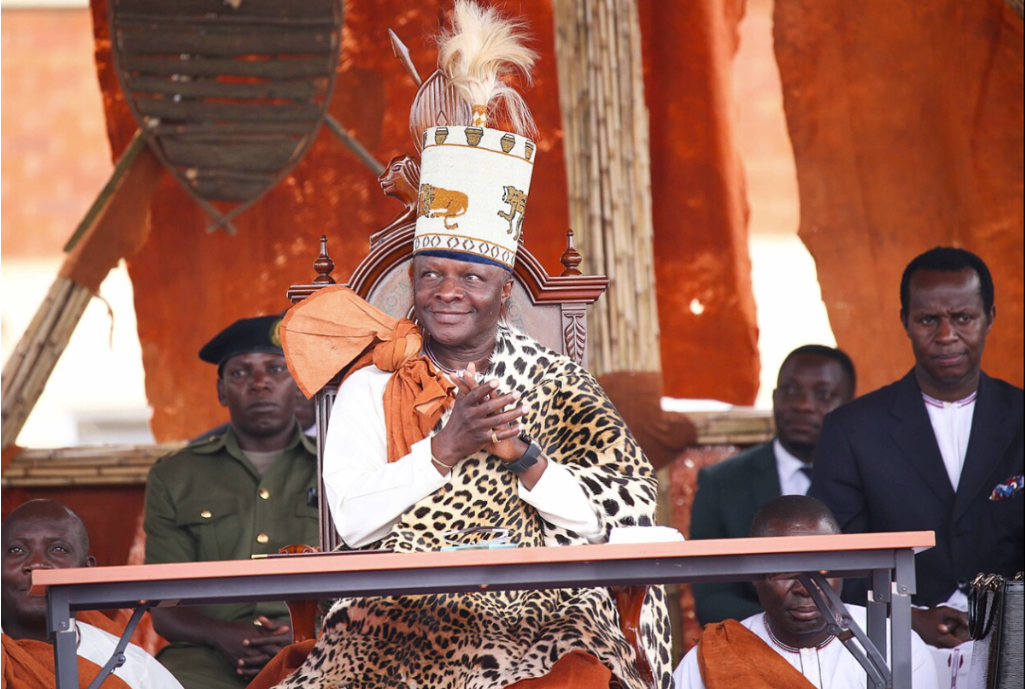
| Baganda | Central Uganda | Buganda Kingdom, royal heritage and traditions | Visit the Kabaka’s Palace or Kasubi Royal Tombs and experience traditional music and dance |
| Batooro | Western Uganda | Tooro Kingdom and the Empaakonaming tradition | Learn about Empaako praise names, storytelling, hospitality and kingdom heritage |
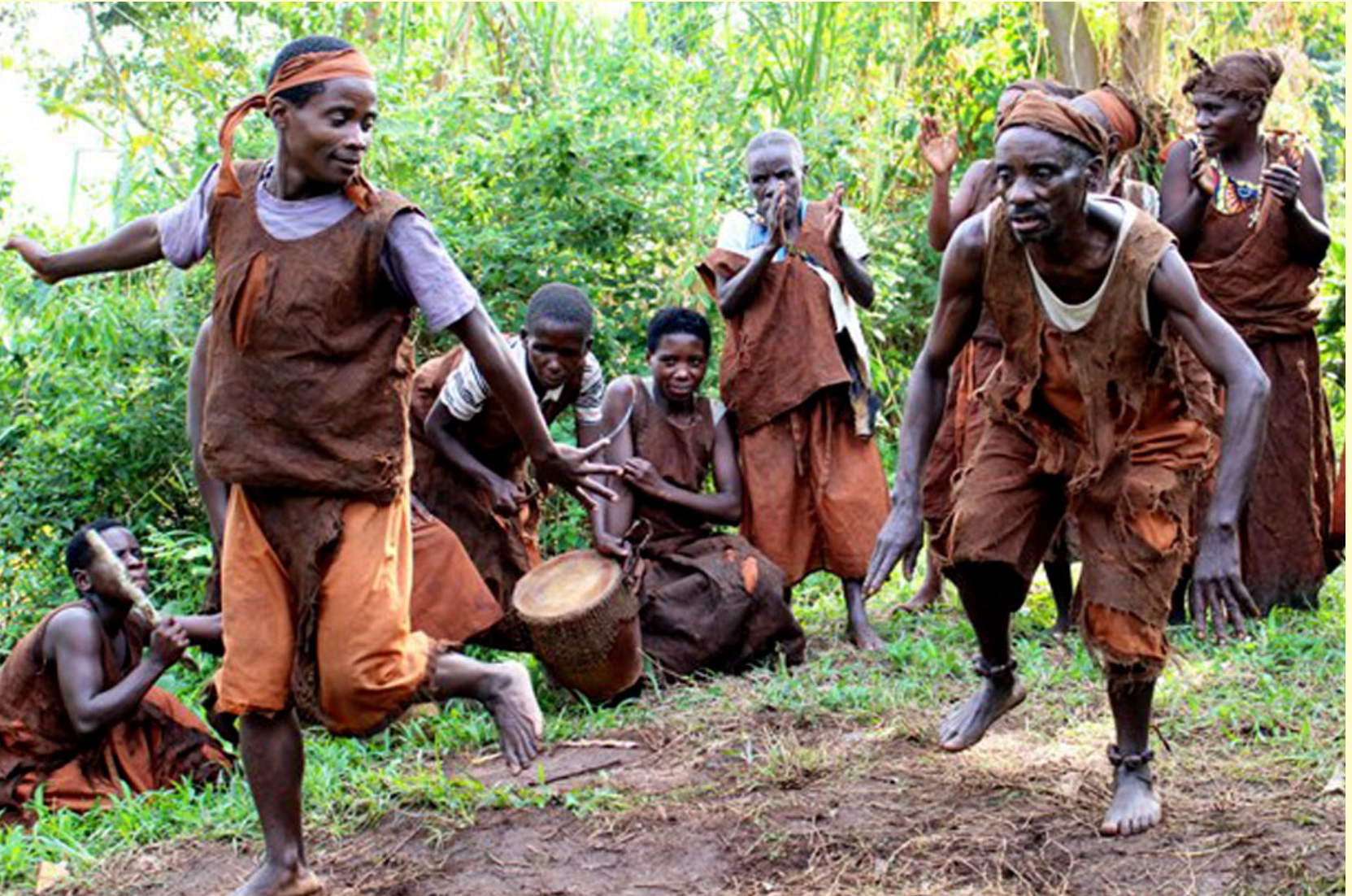
| Batwa | Southwestern Uganda, near Bwindi | Indigenous forest heritage and traditional knowledge | Learn about traditional fire-making, forest knowledge, music and dance |
| Bagisu | Eastern Uganda | Cultural rites of passage and long-standing community traditions | Learn about ceremonies and traditions that remain important to Bagisu cultural identity |
| Basoga | Eastern Uganda | Busoga Kingdom and royal traditions | Discover the kingdom’s traditions, community life and cultural heritage |
Planning Tip: Many Waterviews Travel itineraries combine wildlife experiences with visits to local communities, allowing travellers to experience both the natural and cultural beauty of East Africa.
Many tribal groups, some of which have kings, notably the largest group being the Baganda, whose king is portrayed here. Other tribes such as the Batooro from western Uganda, the Basoga from eastern Uganda, and others also have kings. The most fascinating groups include the Bagisu, who have quite interesting rites of passage traditions, including public circumcision of teenage boys. The Batwa people live in the mountains near the famous Bwindi Impenetrable Forest National Park. This tribe is famously known as the Gorilla Keepers of Uganda.
Why Add Cultural Experiences to Your Safari?
Wildlife may be what brings travellers to East Africa, but cultural experiences often become the stories they remember long after returning home.
Meeting local communities offers a chance to understand how people have lived alongside wildlife for generations. Whether you’re listening to traditional songs, learning how handmade jewellery is crafted, or sharing a local meal, these experiences provide a richer appreciation of the places you visit.
Many cultural experiences also directly support local communities by creating sustainable income while helping preserve traditions, languages, and crafts for future generations.
Discover Uganda’s Rich Cultural Heritage
Often referred to as the Pearl of Africa, Uganda is known not only for its incredible wildlife but also for its remarkable cultural diversity.
Home to more than 50 ethnic groups, Uganda offers visitors the opportunity to experience a wide range of traditions, languages, music, and customs. Throughout the country, hospitality, respect, and a strong sense of community remain at the heart of everyday life.
Whether you’re trekking to see mountain gorillas or exploring Uganda’s national parks, taking time to experience local culture adds another layer to your journey.
Meet the People Who Shape Uganda’s Culture
The Baganda: Royal Heritage and Tradition
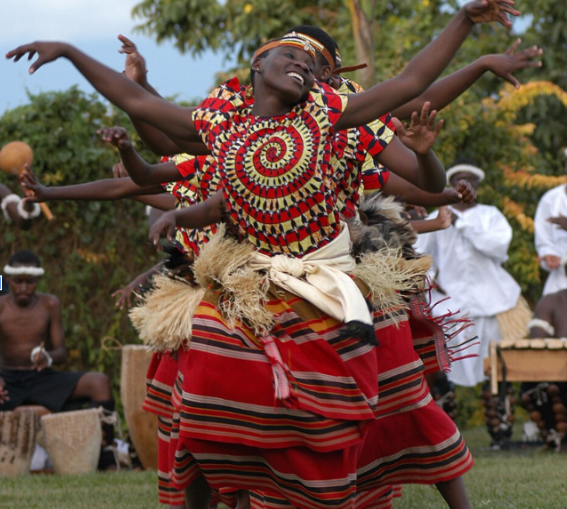
The Baganda are Uganda’s largest ethnic group and form the heart of the historic Buganda Kingdom.
Their culture places great importance on respect, family, and royal traditions. Visitors can explore important cultural sites such as the Kabaka’s Palace and the Kasubi Royal Tombs, while traditional drum performances and dances showcase centuries of history and storytelling.
These experiences provide a fascinating introduction to one of East Africa’s oldest and most influential kingdoms.
The Batooro: A Culture Built on Respect
Western Uganda is home to the Batooro people, who are widely recognized for their warm hospitality and unique Empaako naming tradition.
Empaako names are special praise names used to express affection, respect, and friendship. Although simple in practice, they reflect the strong emphasis the Batooro place on community and personal relationships.
Visitors to the Tooro region can also learn about the kingdom’s history through storytelling, cultural performances, and local traditions that have been passed down through generations.
The Batwa: Uganda’s Indigenous Forest Community
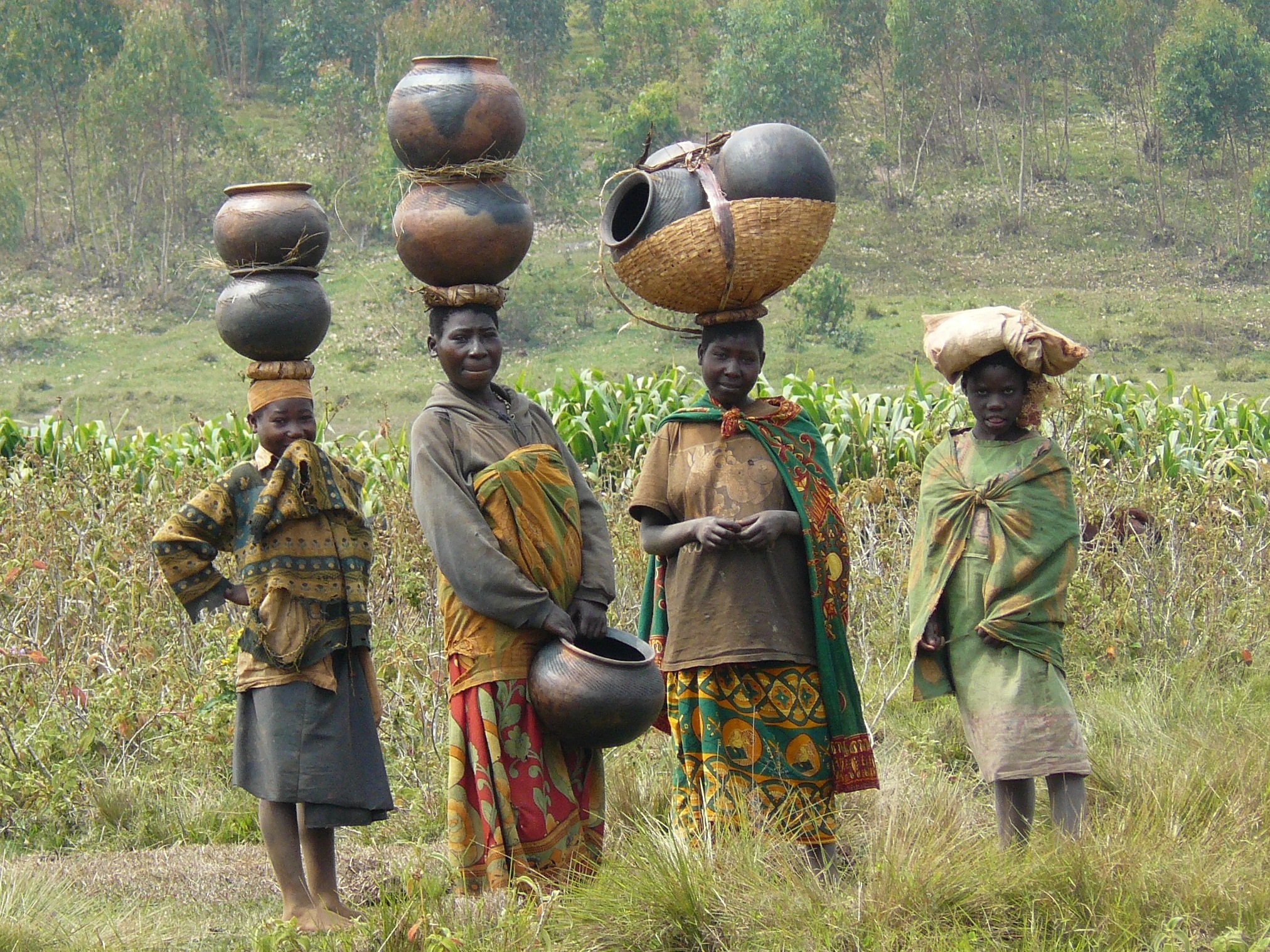
The Batwa are among the oldest Indigenous communities in the Great Lakes region.
For generations they lived as hunter-gatherers in Uganda’s forests before many communities were displaced following the creation of protected national parks.
Today, many Batwa communities share their traditions through cultural tourism experiences that help preserve their heritage while supporting local livelihoods. Visitors may learn traditional fire-making techniques, hear stories about life in the forest, or enjoy music and dance performed by community members.
These experiences offer valuable insight into one of Uganda’s oldest cultures while helping support its future.
Experience Ugandan Food, Music, and Hospitality
A visit to Uganda isn’t only about meeting different communities—it’s also about experiencing everyday traditions through food, music, language, and the warm hospitality the country is known for.
Language
Uganda recognizes many local languages, reflecting its incredible cultural diversity.
While Luganda is widely spoken in central Uganda, Runyoro-Rutooro and Rukiga-Runyankole are commonly spoken in the west. English and Swahili are also widely used, making communication easy for most international visitors.
Learning a few simple greetings is always appreciated and is a great way to connect with local communities.
Traditional Ugandan Cuisine
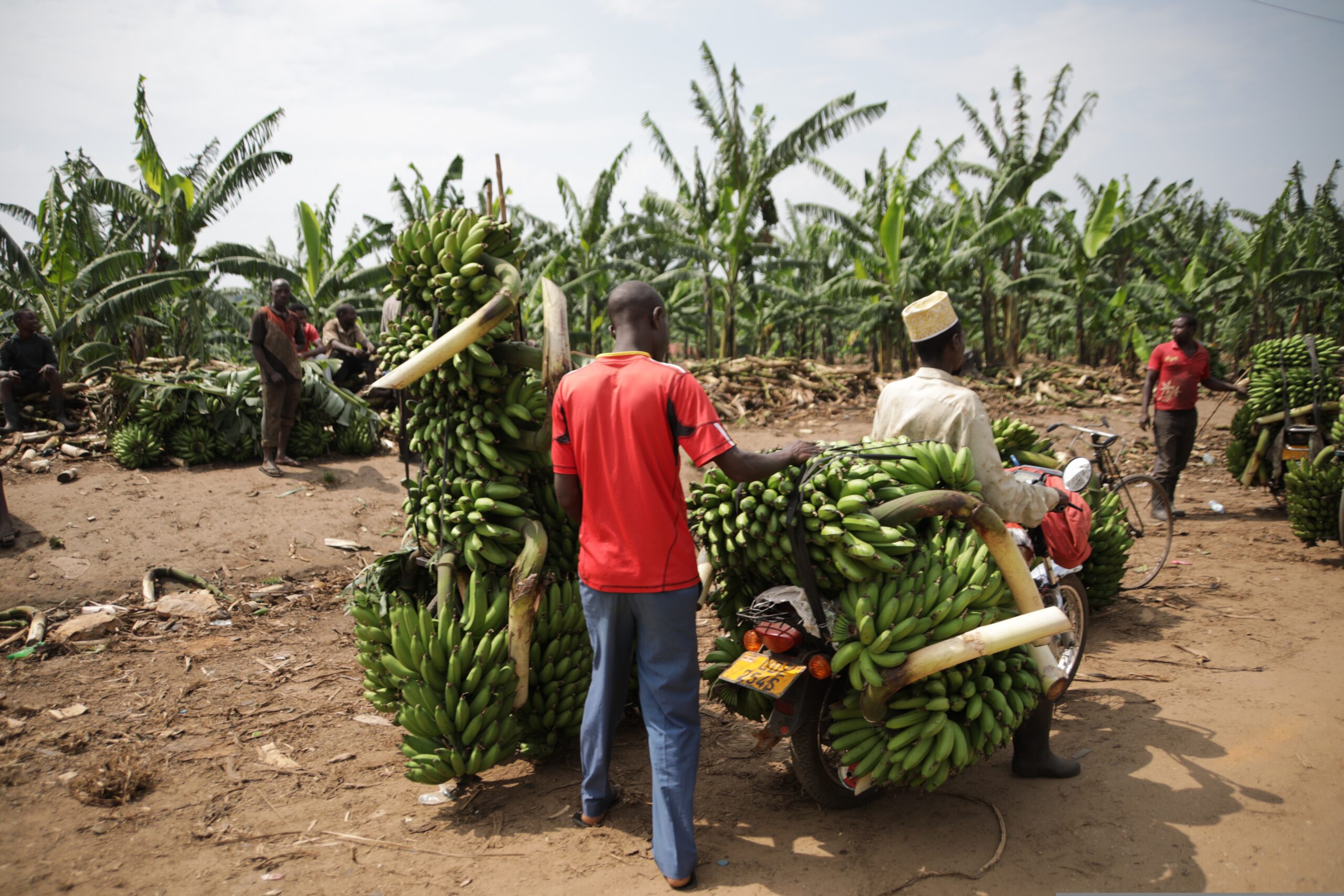
Food plays an important role in bringing families and communities together.
Some of Uganda’s best-known traditional dishes include:
- Matoke (steamed green bananas)
- Groundnut sauce
- Luwombo (meat or chicken steamed in banana leaves)
- Posho (maize meal)
Meals are often shared among family and friends, reflecting the country’s strong sense of community and hospitality.
Music and Dance
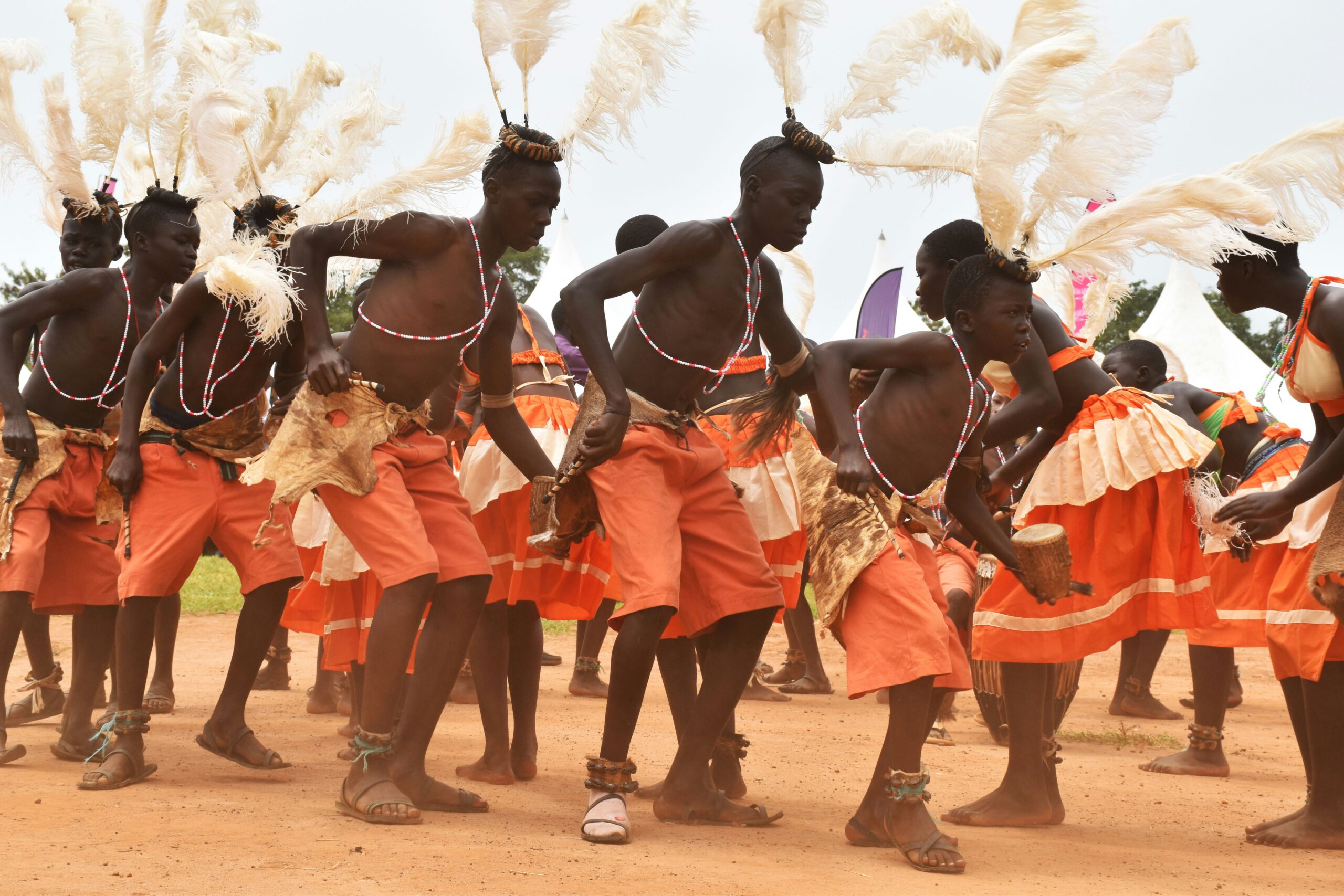
Music is woven into everyday life across Uganda and plays an important role in celebrations, ceremonies, and storytelling.
Traditional instruments such as drums and xylophones create the rhythm for dances like Bakisimba and Nankasa, where movement tells stories of celebration, history, and community life.
Watching a live performance offers visitors an authentic glimpse into Uganda’s cultural identity.
A Culture of Hospitality
One of the things visitors remember most about Uganda is the genuine warmth of its people.
Respect for elders, welcoming guests, and sharing meals with family and friends are values found across many communities.
Whether you’re visiting a village, exploring a local market, or simply chatting with your guide, these everyday interactions often become some of the most memorable parts of the journey.
Final Thoughts: Wildlife Brings You Here. The People Make You Want to Return.
Africa’s wildlife may capture your attention, but it’s often the people and their stories that stay with you long after your journey ends.
Whether you’re listening to Maasai elders share generations of tradition, learning about the Batwa’s forest heritage, watching the rhythm of Ugandan dance, or exploring the historic Swahili Coast, each cultural encounter adds depth and meaning to your safari.
These experiences remind us that East Africa is more than a collection of beautiful landscapes—it’s a region shaped by diverse communities, rich histories, and living traditions that continue to thrive today.
At Waterviews Travel, we believe the best safaris combine unforgettable wildlife with meaningful cultural experiences. Whether you’re dreaming of meeting the Maasai, learning from the Hadzabe, or discovering Uganda’s vibrant heritage, we’ll help create an itinerary that reflects your interests and travel style.
Ready to experience the magic of Africa? Contact Waterviews Travel today to start planning your dream safari! From unforgettable wildlife encounters to meaningful connections with local communities, we’ll craft a personalized experience tailored to your travel style, budget, and sense of adventure. Call us at 1-800-735-9790, email se*****@**************el.com, or visit waterviewstravel.com to get started!
Frequently Asked Questions
What are cultural encounters on an African safari?
Cultural encounters allow travellers to experience the traditions, customs, food, music, and daily life of local communities while visiting East Africa. They complement wildlife experiences by offering a deeper understanding of the people and cultures that make the region unique.
Can I visit a Maasai village during my safari?
Yes. Many safari itineraries include visits to Maasai communities where visitors can learn about traditional customs, dances, beadwork, and everyday life. Choosing responsible, community-based experiences helps ensure your visit directly benefits local families.
Are cultural experiences suitable for families?
Absolutely. Many cultural activities—including village visits, traditional performances, craft demonstrations, and storytelling—are engaging experiences for travellers of all ages.
Is it respectful to take photos during cultural visits?
Always ask permission before taking photographs of individuals or ceremonies. Respecting local customs helps create positive and meaningful interactions.
Why should I include cultural experiences in my safari?
Cultural encounters add depth to your safari by connecting you with the people, traditions, and history of East Africa. For many travellers, these experiences become just as memorable as seeing the region’s incredible wildlife.
Comments are closed